
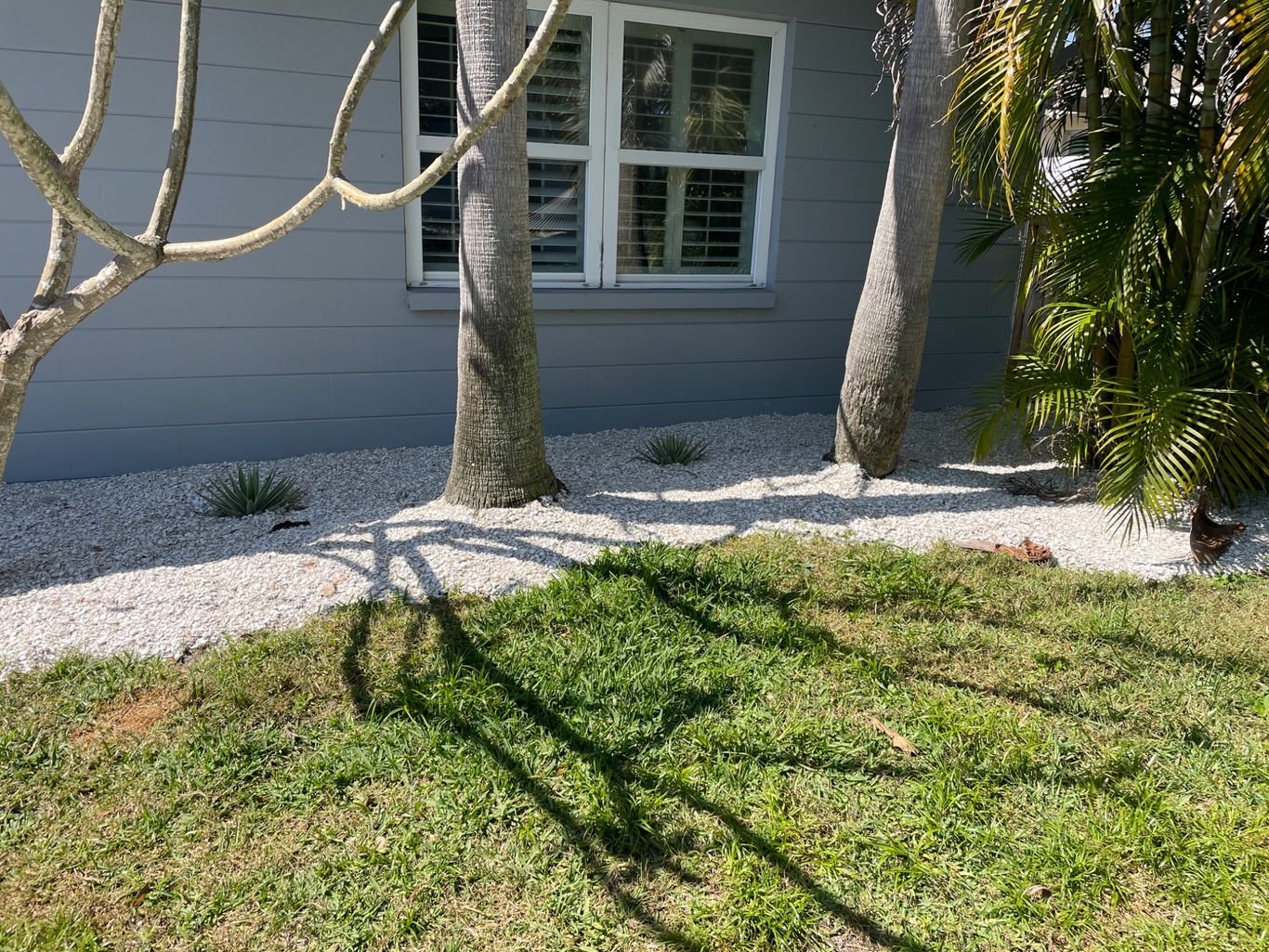
Landscaping is more than just planting greenery; it’s about designing an outdoor space that balances function and form. In Florida’s variable climate—where seasonal rain, shifting soil, and strong sun can wreak havoc on your yard—hardscaping with rock mulch offers both visual charm and practical benefits. Specifically, rock mulch erosion control has become a popular solution for homeowners seeking long-term stability and a polished aesthetic in their landscapes.
In this blog post, we’ll explore how rock mulch serves as an effective tool to reduce landscape erosion with rocks, improve drainage, and elevate your property’s curb appeal. Whether you’re looking to stabilize sloped terrain or add decorative flair to your outdoor living areas, the right functional hardscape design using stone mulch can make a lasting impact.
What Is Rock Mulch and Why Is It Used in Hardscaping?
Rock mulch, often referred to as stone mulch, consists of small to medium-sized stones or gravel used as ground cover in landscaping. Unlike organic mulch, rock mulch doesn’t decompose or require frequent replacement. This makes it ideal for homeowners seeking a low-maintenance solution that also provides durability, beauty, and erosion resistant landscaping features.
In hardscaping, rock mulch is used to accentuate permanent elements like patios, walkways, retaining walls, and garden borders. But beyond its visual appeal, its weight and density make it a key player in controlling erosion, especially in areas with loose soil or heavy rain runoff.
The Science Behind Rock Mulch for Erosion Control
Soil erosion is a common issue in Florida due to intense rainstorms and water runoff. Unprotected soil can wash away quickly, leading to exposed roots, compacted ground, and poor plant growth. That’s where using stone mulch for erosion comes in.
When applied properly, rock mulch shields the soil from the direct impact of rainfall. Its weight anchors it in place, preventing displacement during storms, while its structure slows down water movement, allowing it to seep into the soil instead of flowing across the surface. This not only prevents landscape erosion but also promotes healthy soil hydration, especially when paired with smart drainage design.
The key to effectiveness lies in proper installation. A weed barrier or landscape fabric should be laid beneath the rock mulch to prevent soil from washing away beneath the stones. Edging materials can further contain the rock and keep it from spreading into unwanted areas of your yard.
Boosting Aesthetics with Decorative Rock Mulch Ideas
Beyond its functionality, decorative rock mulch ideas have taken center stage in modern landscaping. Available in a variety of shapes, textures, and colors—ranging from sleek river stones to rugged lava rock—rock mulch enhances the visual appeal of any yard.
Light-colored stones reflect sunlight, brightening shady areas and highlighting plant foliage, while darker stones add a dramatic contrast around succulents, palms, or tropical flora common in Florida yards. The right stone selection can tie in the architectural features of your home, unify hardscape elements, or create focal points that elevate your outdoor design.
Rock mulch can also be used in creative patterns and layers—like dry riverbeds, stone mosaics around trees, or between stepping stones in walkways—offering a unique and customizable design element that’s both beautiful and practical.
Rock Mulch for Drainage: Function Meets Style
One of the most valuable uses of rock mulch for drainage is in managing water flow through the landscape. In areas where water collects or where downspouts drain into your yard, strategic rock mulch installation can prevent puddling, flooding, and foundation damage.
By channeling water through gravel or stone-lined trenches, rock mulch disperses moisture more evenly into the ground. This reduces runoff and minimizes erosion while also keeping water away from the foundation of your home. When incorporated into functional hardscape design, such features double as elegant dry creek beds or water pathways, combining beauty with utility.
Especially in Florida, where flash rains are frequent, having a drainage-friendly landscape is essential. Rock mulch provides the resilience needed to manage these environmental challenges while maintaining visual appeal.
Rock Mulch Around Plants: A Durable, Low-Maintenance Solution
Many homeowners are wary of placing rock mulch near plants due to concerns about heat retention. And while it’s true that stones can absorb and reflect heat—particularly in full-sun areas—there are many benefits to rock mulch around plants, particularly drought-tolerant or native Florida species.
When used correctly, rock mulch can create a clean, tidy look that reduces weed growth and helps the soil retain moisture by limiting evaporation. Plants with deep root systems, such as ornamental grasses, succulents, and palm varieties, thrive when surrounded by rock mulch.
To protect more sensitive plants, spacing and shade consideration are essential. Combining rock landscaping ideas with shade trees, larger plant groupings, or pergolas can mitigate the warming effects of stones while still providing erosion control and visual interest.
Benefits of Rock Mulch in Hardscaping
There are numerous advantages to integrating rock mulch into your hardscape design. Among the most notable:
- Longevity: Unlike organic mulch, rock doesn’t break down, fade, or require seasonal replenishment. One installation can last for years.
- Low Maintenance: Rock mulch resists displacement, deters weed growth, and doesn’t attract pests like termites or rodents.
- Erosion Control: Its density and structure help slow down water flow and stabilize sloped areas.
- Enhanced Drainage: Rock allows water to filter through more efficiently, reducing runoff and standing water.
- Visual Versatility: With a range of shapes and colors, rock mulch complements everything from modern to tropical landscape themes.
These qualities make it an ideal choice for homeowners looking to invest in hardscape curb appeal that endures through the seasons.
Choosing the Best Rock Mulch for Erosion Control
Not all rock mulch is created equal. When planning for erosion resistant landscaping, material choice matters. For example, crushed granite or angular gravel tends to lock into place better than rounded river stones, which can shift more easily. Lava rock is lightweight and porous, ideal for decorative use, but less effective on steep grades due to its tendency to blow or wash away.
For high-erosion zones, consider a medium-sized, angular rock layered at least 2-3 inches thick. This creates a stable barrier that withstands rainfall while still allowing water to percolate through.
Also consider the area’s intended use. If you’re placing rock mulch along walkways or patios, smoother stones may be more comfortable underfoot and easier to maintain. For beds and borders, mix functionality with aesthetics by choosing colors and textures that complement the surrounding architecture and plantings.
Functional Hardscape Design: Blending Utility with Beauty
One of the strengths of modern landscaping is its emphasis on functional hardscape design—the idea that utility and beauty don’t have to be separate goals. Rock mulch embodies this principle by delivering practical erosion control, superior drainage, and an unmistakably clean aesthetic.
Well-designed hardscaping uses stone mulch in tandem with other features such as retaining walls, stepping stones, pavers, and decorative borders. The result is a layered, visually dynamic yard that not only looks appealing but also performs well in terms of water management, weed suppression, and plant protection.
With Florida’s ever-changing climate, having a landscape that stands up to the elements while still turning heads is a smart investment. Rock mulch helps you achieve both.
Conclusion: Is Rock Mulch the Right Choice for Your Yard?
Whether you’re battling erosion on a sloped property, looking to reduce maintenance, or simply want a modern, clean finish to your landscape, rock mulch presents a compelling solution. Its resilience, drainage capability, and versatility in design make it one of the most effective tools for landscape erosion prevention and hardscape enhancement.
The key is to assess your property’s needs, climate considerations, and plant selections, then choose the rock mulch type that aligns with those factors. Done right, your hardscaping will not only protect your yard from the elements but also increase your home’s overall appeal and value.
Let Tarpon Lawn & Pest Help You Build a Beautiful, Erosion-Resistant Landscape
At Tarpon Lawn & Pest, we specialize in Florida landscaping solutions that work—both functionally and aesthetically. Whether you’re looking to prevent soil erosion, upgrade your outdoor space with rock mulch, or design a drainage-friendly landscape, our expert team is here to help.
Let us guide you in selecting the right materials, installing them professionally, and creating a yard that’s as tough as it is beautiful.
Contact Tarpon Lawn & Pest today to schedule your free consultation and take the first step toward a more resilient, visually striking landscape.